
Roomix Transition Toddler Bed Review
 Award-winning design: The Roomix Transition Toddler Bed won Best Kids Bed in the Ideal Home Awards 2026.
Executive Summary
In my work as a child sleep specialist, one thing I see time and time again is that sleep is never one size fits all. While traditional cot setups work well for some families, they simply don’t suit every child or home environment, and for many families, the expected “cot until three” pathway simply doesn’t apply.
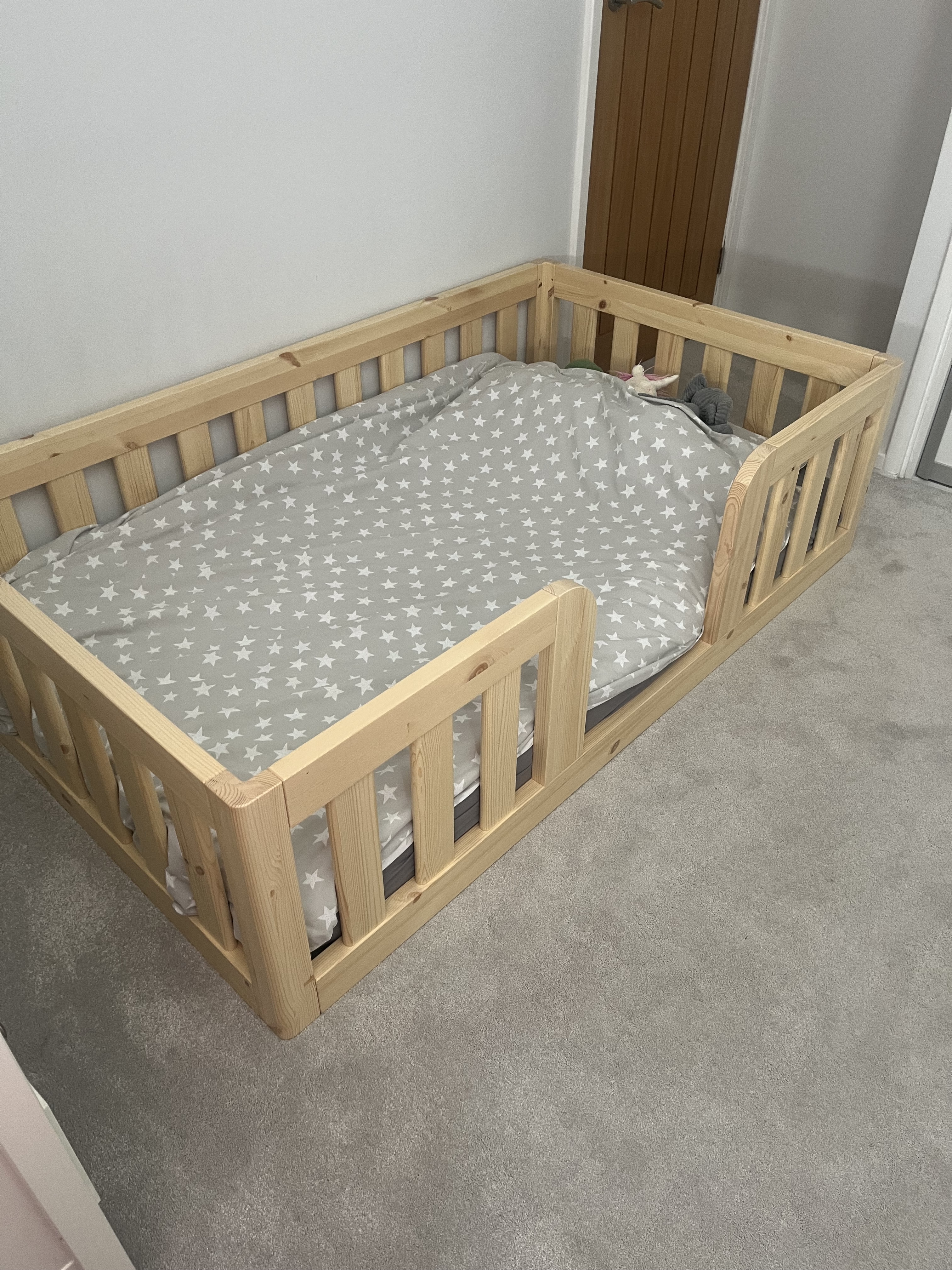
The ROOMIX Transition Toddler Bed offers a thoughtfully designed, flexible alternative for families who prefer or need something different. In particular, it stands out as a strong option for children climbing out of cots, families navigating co-sleeping arrangements, or those needing a more adaptable sleep setup due to space, lifestyle or individual child needs.
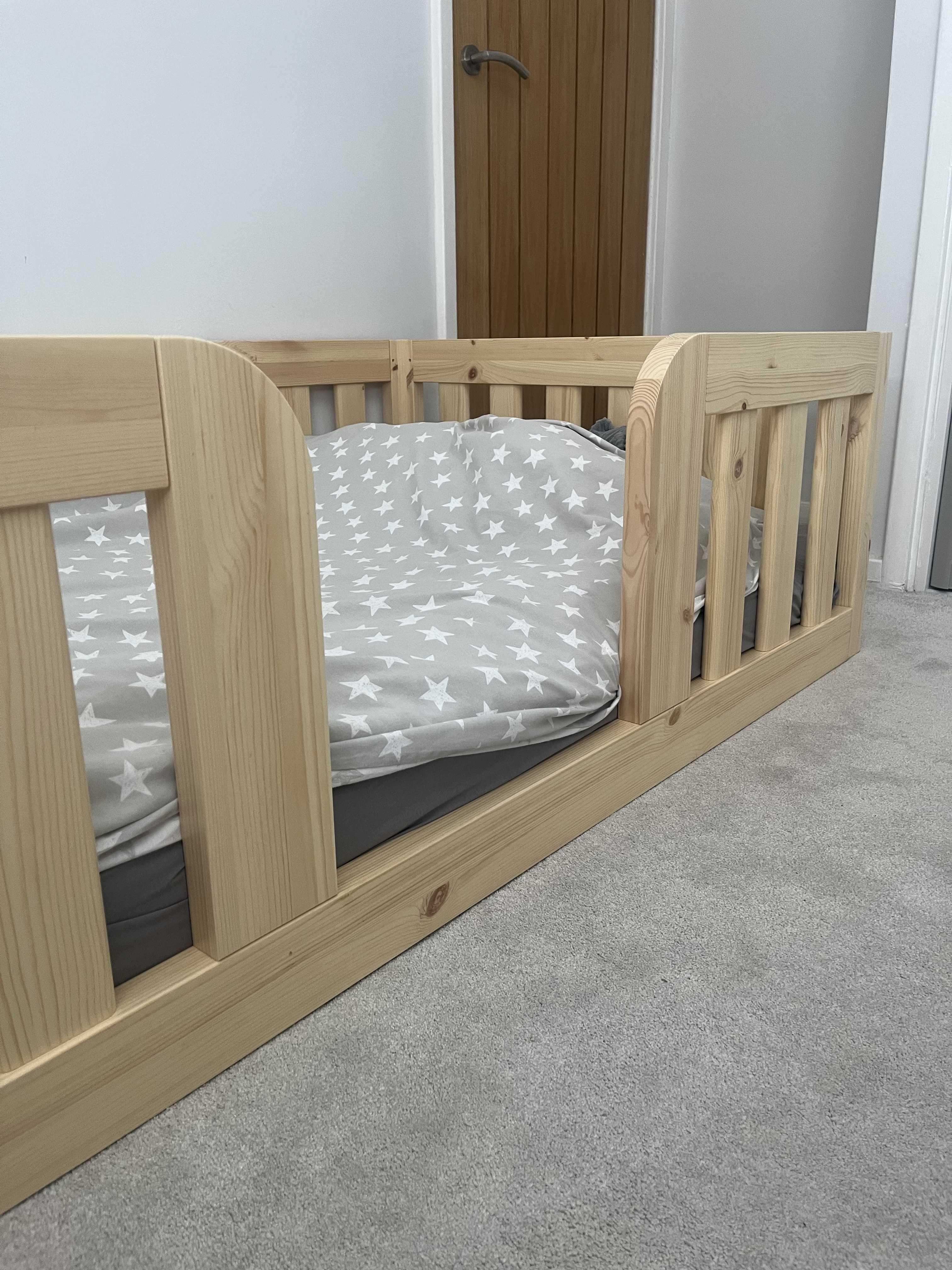
From a practical perspective, the build quality, safety considerations and overall design reflect a product that has clearly been developed with real family use in mind. The low-to-the-ground frame, softly rounded edges and chunky, supportive sides all contribute to a sleep space that feels both safe and reassuring, even for more independent or active children.
Importantly, this is not a short-term solution. The ability to adapt and build on the bed over time makes it a more sustainable and long-lasting option compared to traditional toddler beds, supporting families beyond just the initial cot to bed transition phase.
Overall, this is a well-considered, flexible sleep solution that works in the real world, particularly for families who feel that the standard cot to bed pathway hasn’t worked for them.
Review Context
ROOMIX provided a sample of their Transition Toddler Bed (160 x 90cm) in natural pine, with a centre opening configuration alongside the Add-On Legs package. The product was reviewed with the Stompa toddler mattress, which includes a washable cover, breathable fabric, visible fire safety certification and a five-year manufacturer’s warranty.
The bed is designed as a flexible first sleep space for children aged 18 months upwards, with optional raised legs and drawers to allow it to grow with the child over time. It is constructed from 100% FSC-certified solid pine and built in line with British safety standards, including appropriate gap spacing to reduce entrapment risk.
From an aesthetic perspective, the natural pine finish aligns well with modern Montessori/Scandi/minimalist interiors, offering a natural look.
This review aims to reflect a practical and real-life assessment of the product, including self-assembly, inspection, and consideration of how the design supports common sleep scenarios encountered in modern family life. It does not replace formal safety testing or other certifications, but rather provides a professional evaluation from a child sleep and family-use perspective.
The product review was conducted by Gemma Coe, Child Sleep Specialist in April 2026.
Build and Assembly
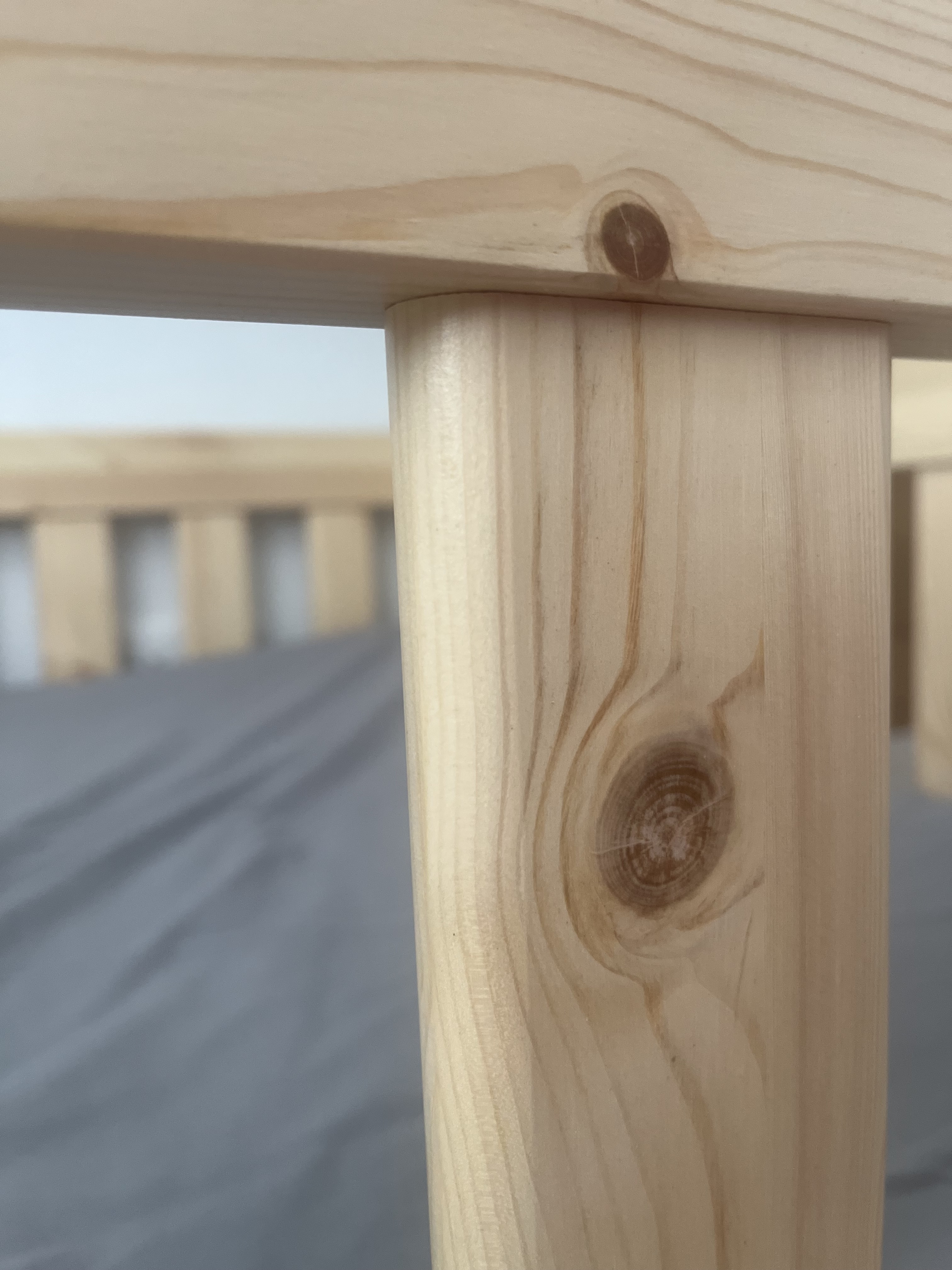
The build process was straightforward and notably quicker than expected. The website suggests a 20-minute assembly time and this initially felt rather optimistic! However, in practice, this was an accurate estimate.
For the purpose of this review, the bed was built by one adult without assistance, specifically to assess whether this would be manageable for parents at home. This proved to be entirely achievable and reinforces the practicality of the product for families.
The bed arrives largely pre-constructed in four main panels, which are then secured together using ROOMIX’s EasyLock fixings. These were intuitive and simple to use, allowing the entire structure to be assembled efficiently.
Overall, the assembly process is genuinely accessible and does not require advanced DIY skills or equipment, which is perfect for busy families.
Add-On Legs & Transition to Raised Bed
I also reviewed the add-on legs and the transition from a floor bed to a raised bed setup.
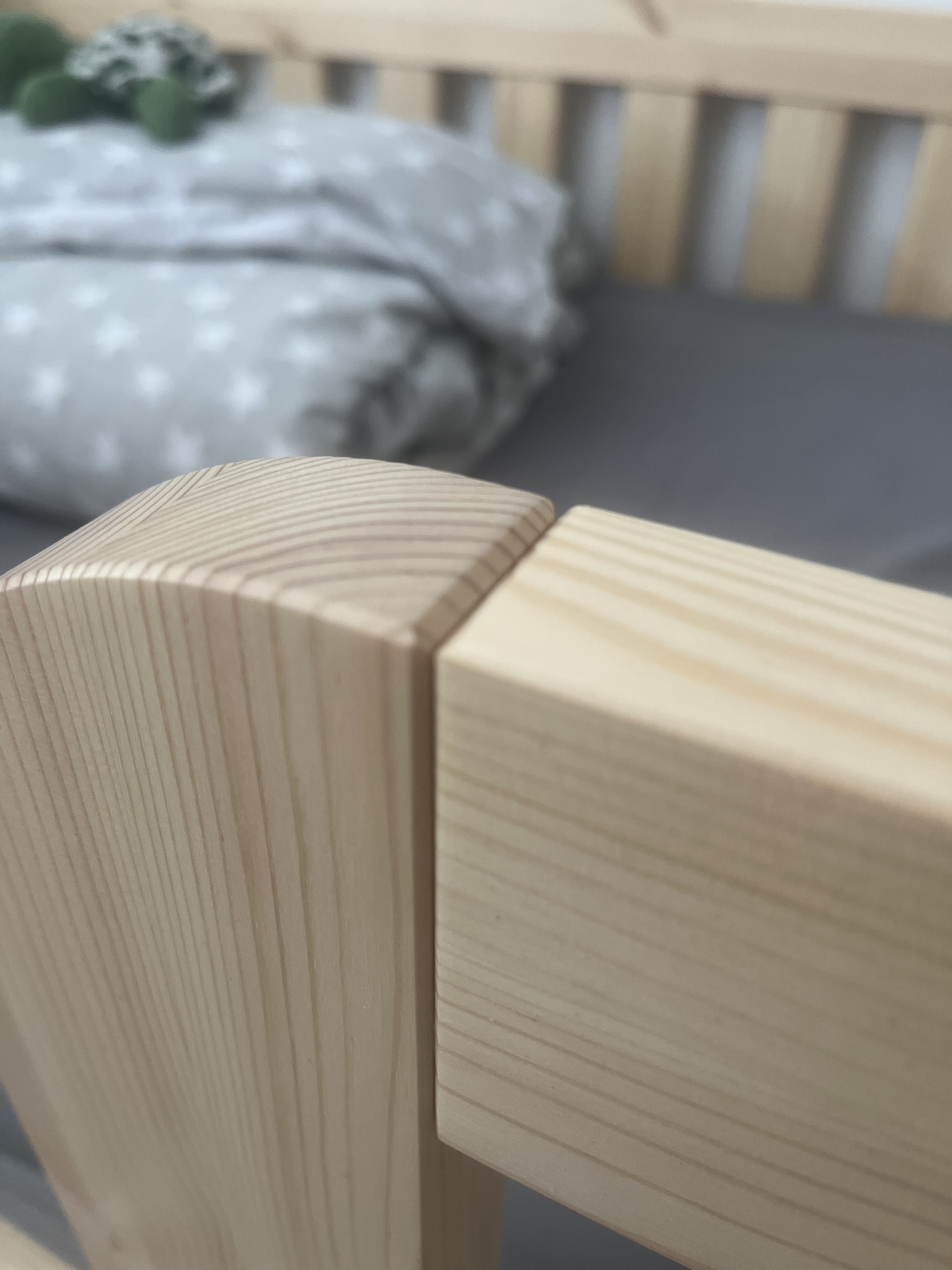
The add-on legs were straightforward to install, clipping into place in a similar way to the original configuration. Transitioning the bed from the floor setup to the raised position was a relatively simple and manageable process for this bed size, although I would expect slightly longer assembly time for larger configurations where additional support rails need to be factored in.
The raised height felt well judged. It allowed for a comfortable seated position for an adult, with feet still on the floor, which is particularly helpful for parents settling or reading to a child at bedtime. At the same time, the bed was not raised so high that it introduced any meaningful concern around falls, maintaining a reassuring level of safety for both sleep and play.
The height also appeared appropriate for children aged two years and above to climb in and out of independently, supporting both accessibility and autonomy.
Although I did not assemble or test the storage drawers, the raised configuration clearly allows for additional under-bed storage, which is likely to be a practical benefit for many families.
The only slight limitation observed was during the final stage of reassembly, where fitting the last section of the rail was more challenging to complete alone. While I was able to work around this, I would recommend that this stage of the transition to the raised bed is completed with two people for ease.
Overall, the add-on legs reinforce the strength of this product as a long-term solution. The ability to adapt the bed as a child grows adds genuine value and reflects a thoughtful approach to both longevity and sustainability.
Safety
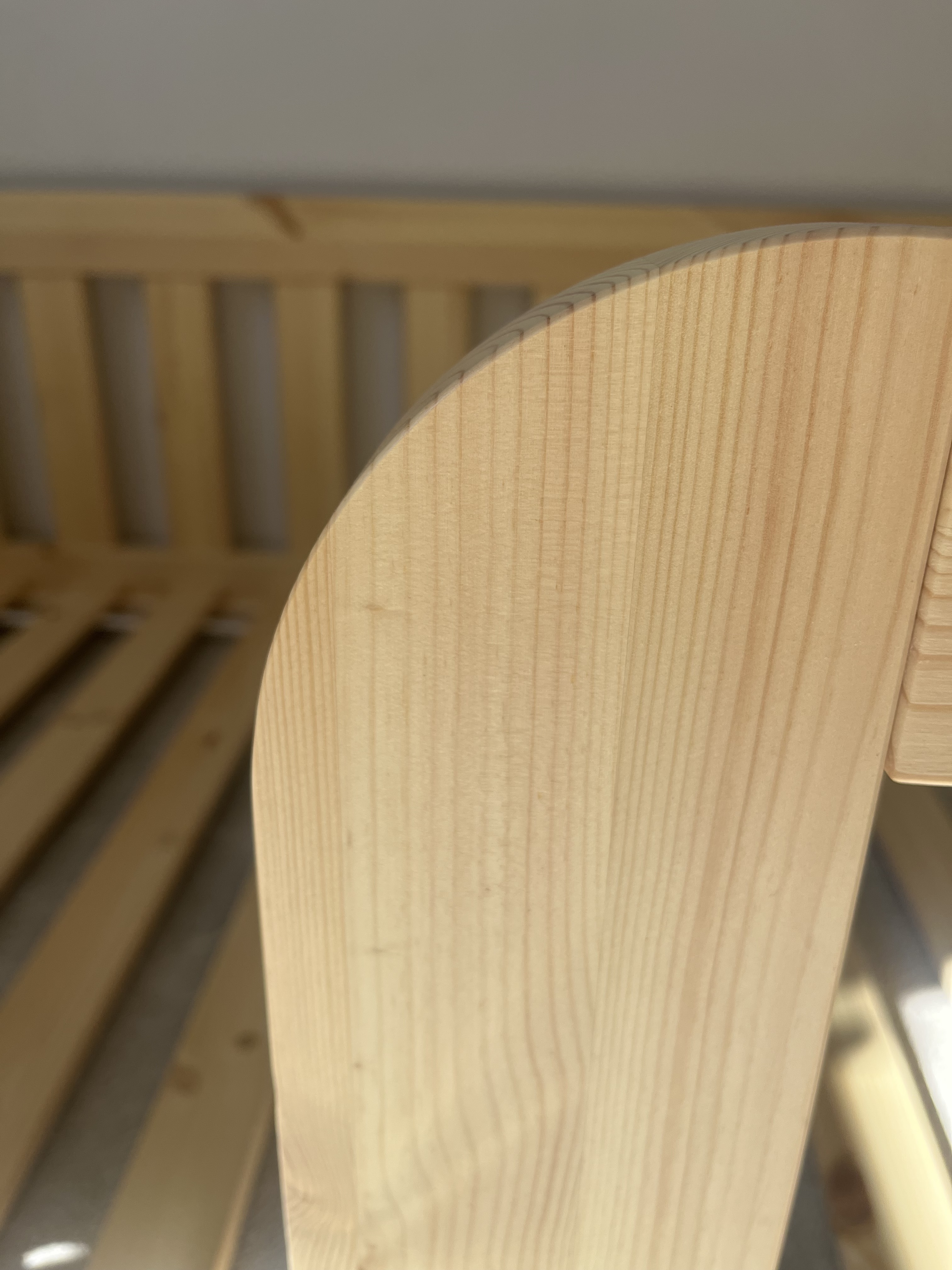
The safety features of the bed were immediately reassuring. The corners are rounded and all panels are smoothly finished with softly bevelled edges. The wood itself has a noticeably soft, high-quality feel to the touch. This is particularly important for a product designed for young children who will inevitably come into contact with all surfaces during both sleep and play.
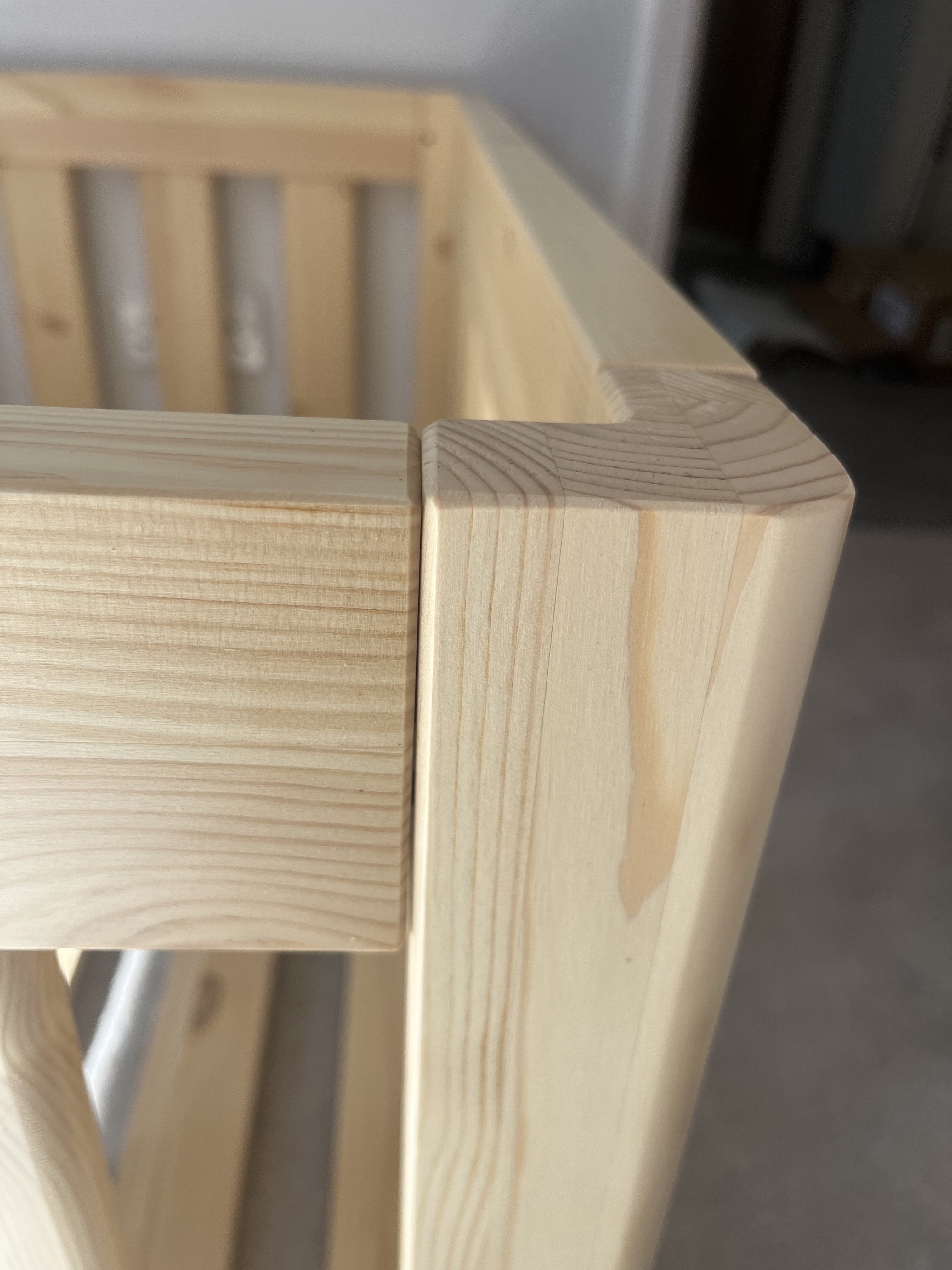
The rail height (when used with the provided mattress) is well judged, providing enough containment to prevent a child from rolling out of bed while still allowing independence of movement. There were no concerns around gaps or potential entrapment points, and the mattress fit was excellent, sitting snugly within the frame with no visible space around the edges.
As with any sleep setup (like bunk-beds), it is important that families use a mattress of an appropriate depth, as significantly deeper mattresses may reduce the effective height of the rails.
Overall, this is a sleep space that feels safe, secure and well-considered. From a practical perspective, I would feel comfortable recommending this setup for a wide range of children, including those who are climbing, particularly active or independent.
“Real-Life” Use
At first glance, this bed is particularly well suited to families who are taking a more flexible or child-led approach to sleep, including those following Montessori-style principles. Additionally it is a great option for many families who have a cultural preference for room sharing at night.
However, in my opinion, it also fills an important gap in the market for families where traditional cot use hasn’t worked, whether due to climbing, preference, or other lifestyle factors.
In practice, I can see this working especially well for:
- Children who are showing signs of, or already climbing out of cots, and are therefore at risk of falling
- Families favouring a ‘family bed’ and co-sleeping either ad hoc or permanently due to preferences or culture
- Families transitioning away from co-sleeping arrangements to independent sleep spaces
- Parents who prefer to lie with their child as they fall asleep
- Homes where space or layout requires a more adaptable sleep setup
- Children sharing a sleep space, including twins or multiples, where flexibility and accessibility are important
In my opinion, it may also be particularly helpful for children who require regular parental or caregiver support during the night, including children with medical or developmental needs, as it allows easy and safe access without the physical strain for the parent or caregiver of leaning over cot bars. In these instances, the sleep set up would best be discussed in conjunction with their child's health professional.
This is very much a product designed for real-life family dynamics, rather than a one size fits all traditional (Western) sleep approach.
Sleep Environment
One of the strengths of this design is the balance it strikes between openness and security. While the structure is low and accessible, the presence of rails and defined edges still creates a clearly defined sleep space, which many children benefit from.
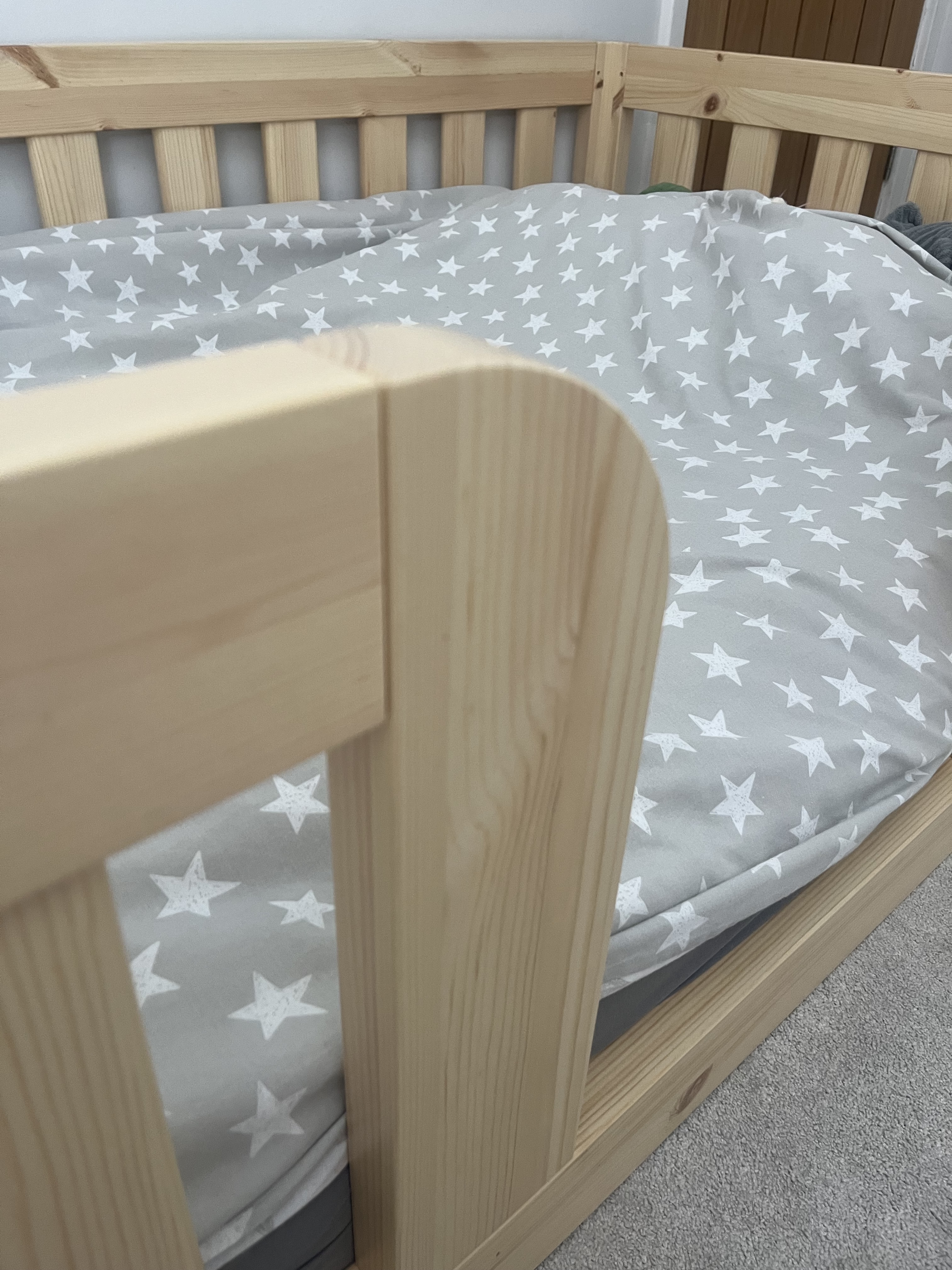
It’s important to remember that many young children naturally seek out smaller, enclosed spaces as they explore their environment. This bed reflects that instinct, offering a contained and reassuring safe space without feeling restrictive.
The low height also adds an additional layer of reassurance for parents, as children can move in and out of the bed safely, reducing concerns around falls for families with children who have a natural talent for climbing!
This combination makes it particularly suitable for children who are more sensitive or anxious at bedtime and would like their caregiver close.
The centre opening configuration is a practical design choice, particularly given that many children move frequently during the night. This allows for consistent and easy access regardless of how the child is positioned, although I appreciate room layouts will best dictate which opening parents go on to choose.
Quality and Sustainability
The overall build quality appears excellent. The use of FSC certified solid wood, combined with thoughtful design features such as rounded edges and smooth finishes, gives the impression of a product that has been carefully considered at every stage.
A particular strength is the focus on longevity. The optional raised legs and ability to adapt the bed over time mean that this is not a short-term purchase, but one that can evolve with the child as their needs change.
There are also additional products now available which allow customers to remove the front barrier and convert the bed into a day bed style. This further lengthens the product's lifespan, as it can serve even older children who no longer need the barriers all the way around. Roomix are also currently planning on bringing out a way to remove the barrier from both front and back so that it becomes a more traditional looking bed over time.
This also aligns well with a more sustainable approach to children’s products. Rather than replacing furniture at each developmental stage, this design allows families to invest in something that will last for years and potentially across multiple children.
While the price point sits at the higher end of the market, the quality, durability and adaptability of the product support this as a longer-term investment rather than a short-term solution.
Disclaimer
This review reflects a practical, real-world assessment based on my experience of assembly, inspection and professional experience working with families. It does not replace formal safety testing or manufacturing certification, which should always be considered alongside expert opinion.
Gemma Coe, April/May 2026.

Gemma Coe, Child Sleep Specialist
Gemma Coe is a UK-based Child Sleep Specialist and Author. She originally trained as a children’s nurse and has over two decades of experience working in medical education and professional development. Her last role prior to establishing her sleep consultancy was as the Head of Professional Development at the Royal College of Paediatrics and Child Health. She has spent much of her career working within paediatric health, education, and evidence-based practice.
Gemma holds a Master’s degree in Public Health, a Postgraduate Diploma in Professional Research, and a PGCE in Education. Her work combines clinical understanding, research literacy, and practical family support, with a particular focus on the toddler and preschool years and key transitions such as moving from cot to bed, developing sleep confidence, and creating supportive sleep environments. She works with children from infancy through to adolescence, supporting families with sleep challenges up to the age of 16.
Gemma is known for offering practical, reassuring, and evidence-based advice that meets families where they are, without judgment and without prescribing a one-size-fits-all approach to sleep.
Feature image supplied by Roomix. Review copy supplied by Gemma Coe, April/May 2026.
2026 Update: What to Recheck Before Acting on toddler bed
This refresh adds a current decision framework for readers comparing options around toddler bed. Recheck the offer, implementation requirements, pricing model, support expectations, and proof points before choosing a provider or product.
For the best result, compare practical fit instead of relying on feature lists alone: how quickly the solution can be implemented, what data or integrations it needs, where it creates measurable value, and whether it fits the workflow your team will actually use.
Find the right Roomix bed setup
Use this guide as a stepping stone into the main Roomix bed range, including the expert-reviewed Transition Toddler Bed, floor beds, rails, cot-to-bed options and matching mattresses.


